
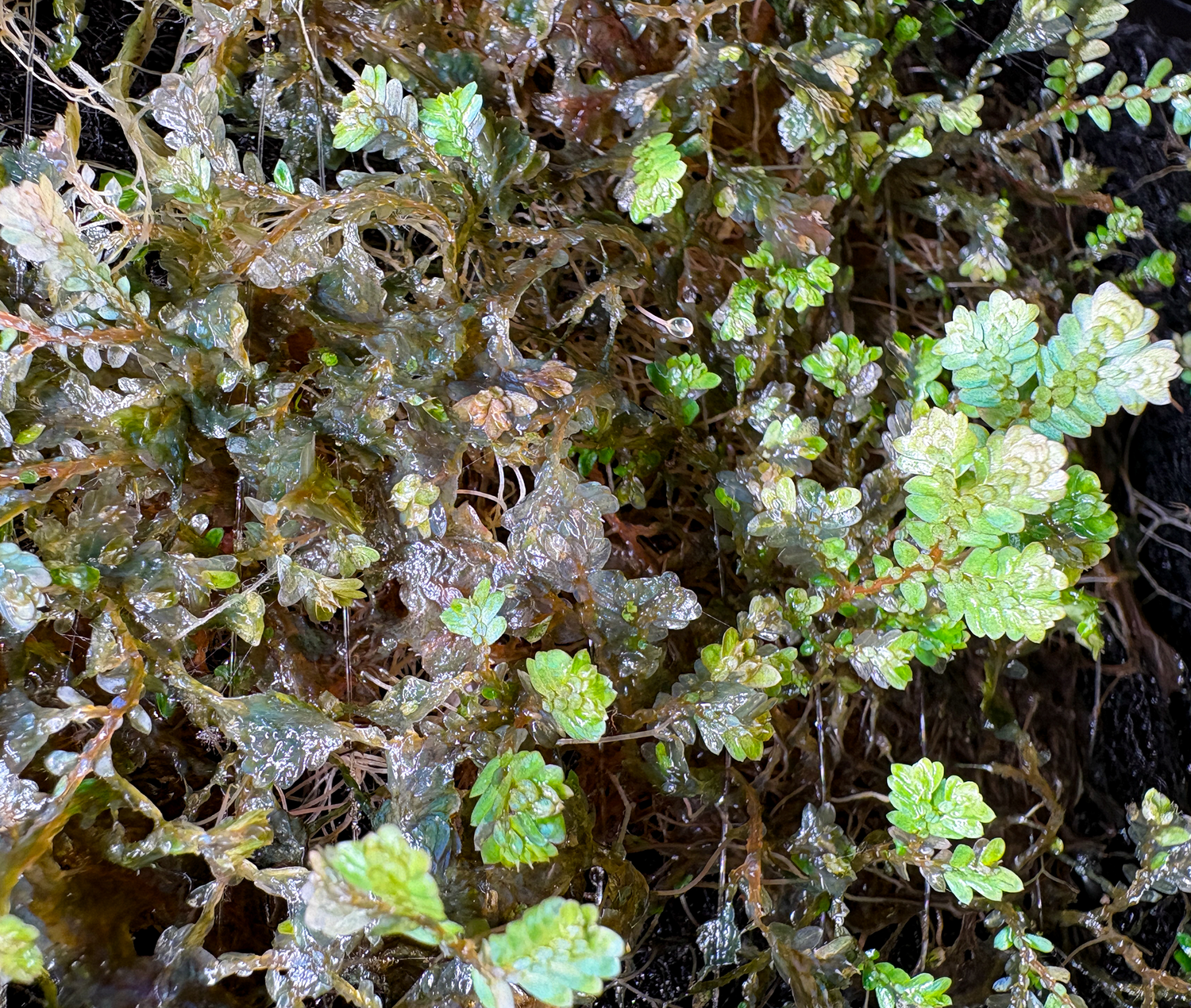
Have you recently added new aquarium plants to your tank only to find the leaves turning yellow, brown, transparent or even falling apart?
If so, don't panic.
One of the most common concerns among aquarium hobbyists is seeing new plants appear to die shortly after planting. Fortunately, in many cases, what you're seeing is completely normal and is known as plant melt.
In this guide, we'll explain why aquarium plants melt, how to tell the difference between normal adaptation and genuine problems, and what you can do to help your plants thrive.
What Is Aquarium Plant Melt?
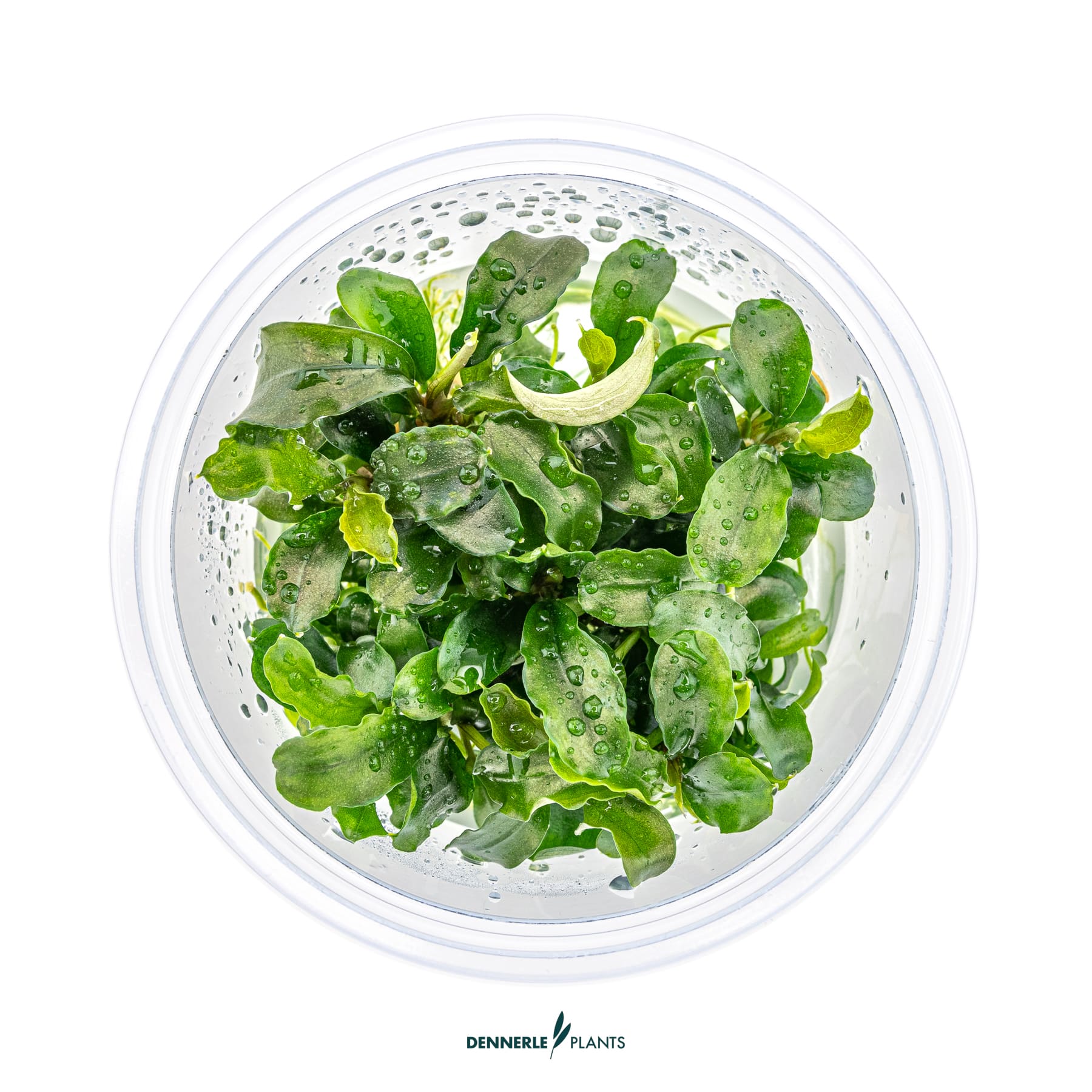
Aquarium plant melt occurs when a plant sheds its old leaves after being introduced to a new environment. Many aquatic plants sold in the aquarium trade are grown above water, also known as emersed growth. This allows growers to produce healthy plants quickly and efficiently. However, once these plants are placed underwater in your aquarium, they must adapt to a completely different environment. During this transition, the plant often abandons its old leaves and begins producing new leaves that are designed for submerged growth. This process is commonly called plant melt.
The good news? In most cases, the roots and growing points remain healthy and the plant will recover naturally.
Why Are My New Aquarium Plants Melting?
There are several reasons why aquarium plants may melt after being introduced to a new tank.
1. Transitioning from Emersed to Submerged Growth
This is by far the most common cause. Plants grown above water have access to unlimited carbon dioxide and different light conditions. Once submerged, they need time to adjust. In many cases, new underwater leaves will appear within a few weeks.
2. Changes in Water Parameters
Aquarium plants can be sensitive to sudden changes in:
- pH
- Water hardness
- Temperature
- Nutrient levels
Plants that have travelled from a nursery to your aquarium often need time to adjust to their new conditions. Consistency is key during this period.
3. Nutrient Deficiencies
Plants require a balance of nutrients to grow healthy leaves and roots.
Without proper nutrition, plants may show symptoms such as:
- Yellowing leaves
- Pale colours
- Slow growth
- Holes in leaves
- Dying tissue
This is particularly common in newly established aquariums where nutrient levels are still stabilising.
4. Insufficient Light
Light provides the energy that plants need to grow. When lighting is too weak or the photoperiod is inconsistent, plants may struggle to adapt and maintain healthy growth.
Different species have different requirements, but most aquarium plants benefit from a stable lighting schedule of around 6 to 8 hours per day.
5. New Tank Syndrome
New aquariums often take time to establish biological balance. During the first few weeks after setup, fluctuating nutrient availability and bacterial populations can create stress for newly planted species. This is normal and usually improves as the aquarium matures.
How to Tell the Difference Between Plant Melt and a Dying Plant
Many hobbyists mistake healthy adaptation for plant death.
Here are some signs that your plant is simply adjusting:
✅ New leaves are beginning to emerge
✅ Roots remain healthy and firm
✅ Only older leaves are affected
✅ Growth is visible from the crown or stem
On the other hand, signs of a genuinely unhealthy plant include:
❌ Soft or rotting stems
❌ Blackened roots
❌ Entire plant collapsing with no signs of new growth
❌ Continued decline after several weeks
How Long Does Plant Melt Last?
The length of the adjustment period varies depending on the species and aquarium conditions. Most plants begin producing new submerged growth within: 2 to 6 weeks
Some species, especially Cryptocorynes, may take longer but often recover beautifully once established. Patience is one of the most valuable skills in planted aquarium keeping.
How to Help Aquarium Plants Recover
If your aquarium plants are melting, there are several things you can do to support recovery.
Remove Damaged Leaves
Trim heavily damaged or transparent leaves. This allows the plant to concentrate its energy on producing new growth.
Avoid Constant Changes
Resist the temptation to constantly move plants or adjust aquarium conditions. Stable conditions encourage faster adaptation.
Ensure Proper Nutrition
Healthy plants need access to both macro and micronutrients. A quality fertiliser can help support healthy recovery and long term growth.


Seeing aquarium plants melt can be alarming, especially for beginners. However, plant melt is often a perfectly natural part of the adaptation process. Rather than assuming your plants are dying, look for signs of new growth, maintain stable conditions and provide appropriate nutrition. With a little patience, many plants will reward you with healthy roots, vibrant colours and beautiful new submerged leaves.
See all of our nutrition here

Leave a comment
This site is protected by hCaptcha and the hCaptcha Privacy Policy and Terms of Service apply.